Base body
Size, stroke and design determine geometry, mounting pattern and installation space.
Variant selling for pneumatics
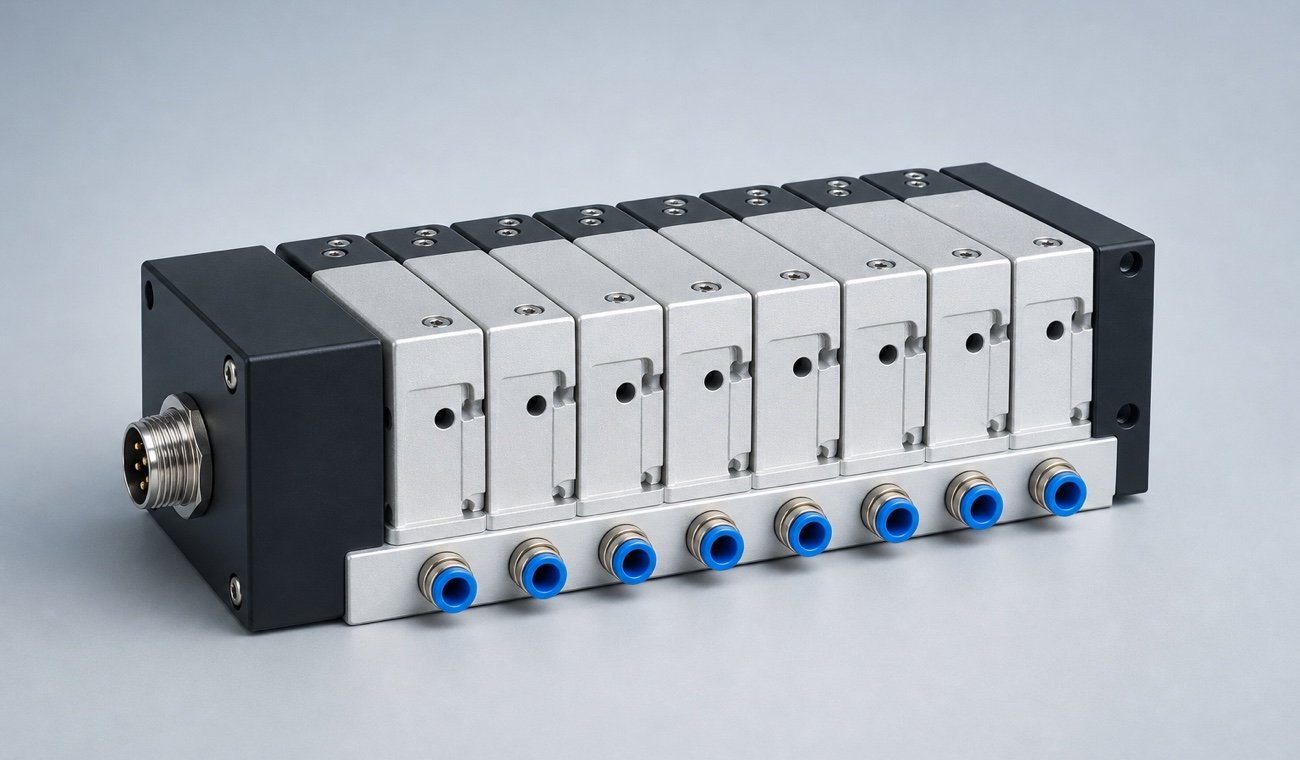
Valve stations, bore size, stroke, connection layout and sensors are selected on the 3D model—the customer sees the product, your inside sales team receives an unambiguous configuration instead of a guessed catalogue number.
From catalogue order code to a clear order
Pneumatics sells through order codes—and that is exactly where enquiries break down. The configurator guides designers and buyers through the options your range actually supports.
Design, size, station count, stroke, mounting and sensors are selected directly on the 3D model.
Dependencies between valve function, port layout, electrics and mounting exclude variants you cannot ship.
The enquiry contains a view, the selected options and every position as a structured list.
The customer sees their module; your team receives a complete, internally consistent variant instead of a clarification loop.
Recent confBuild projects
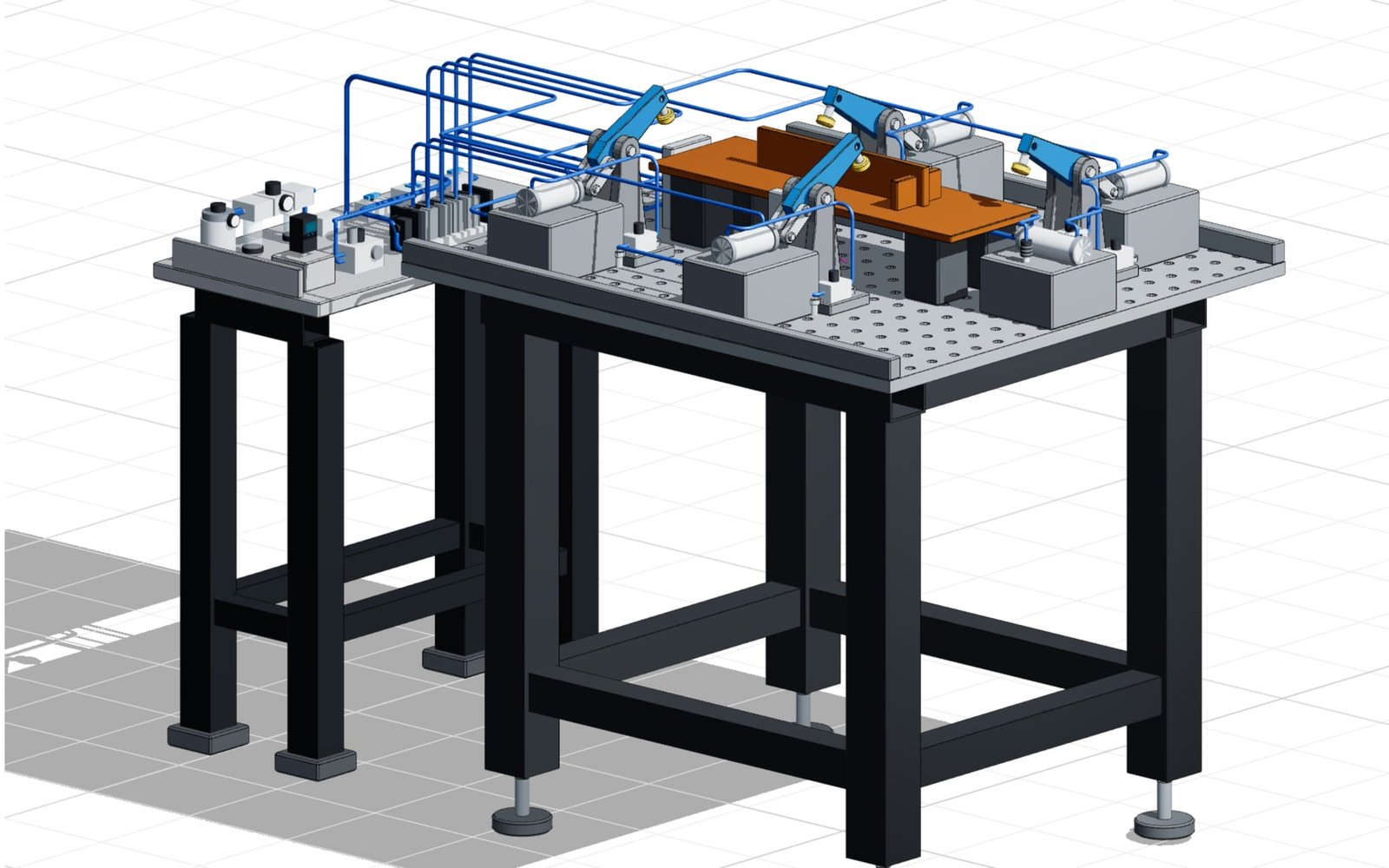
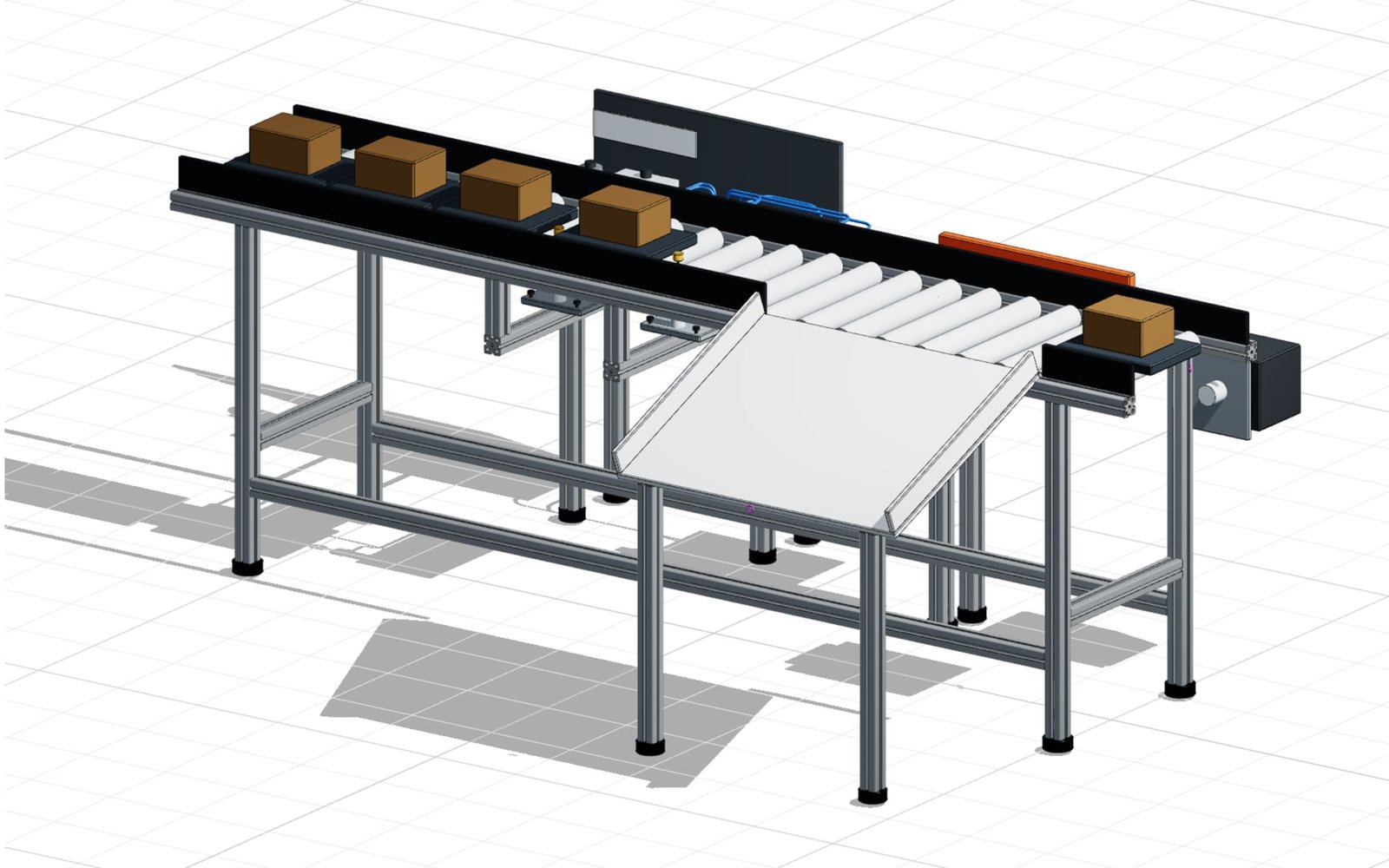
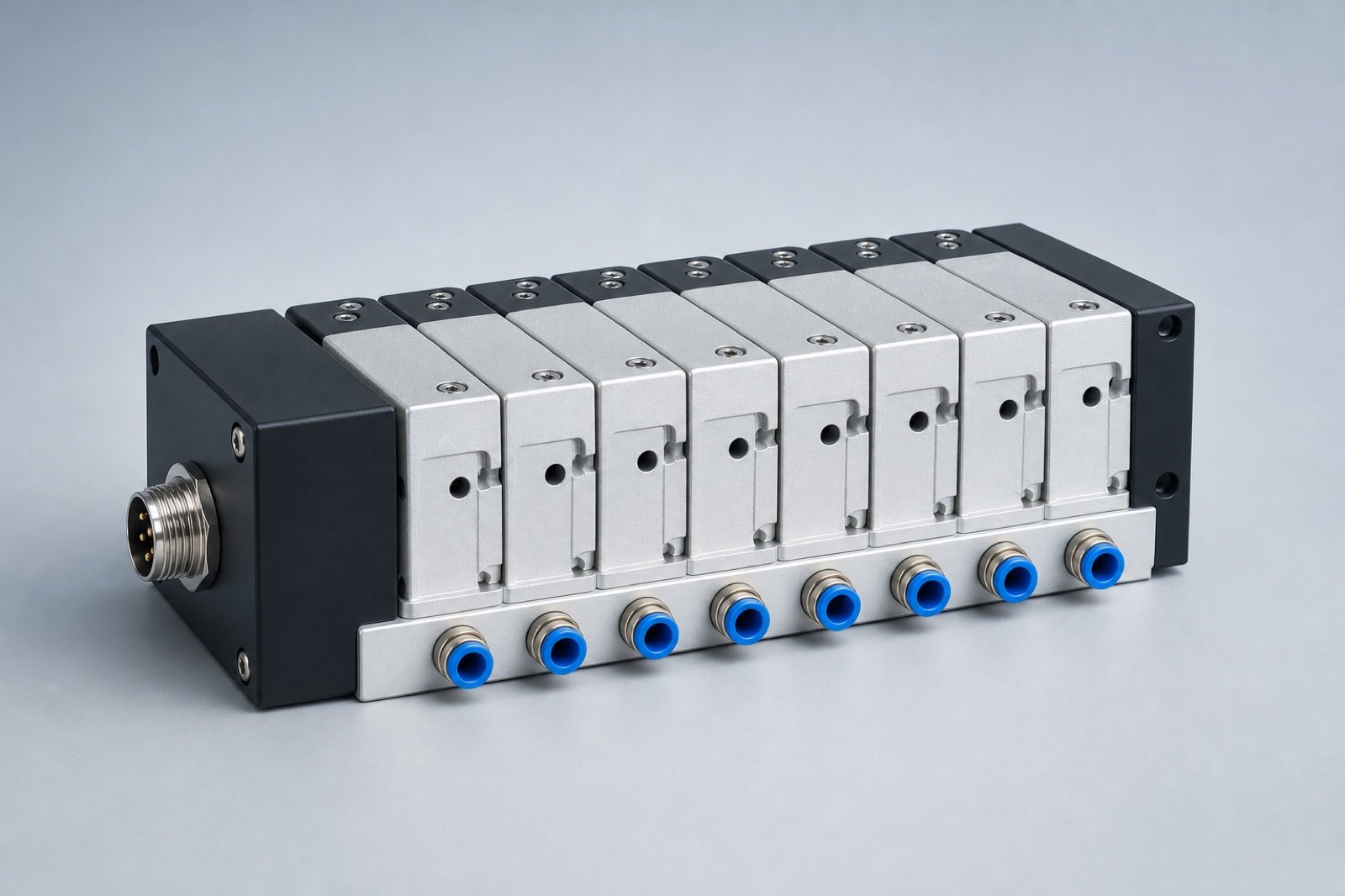
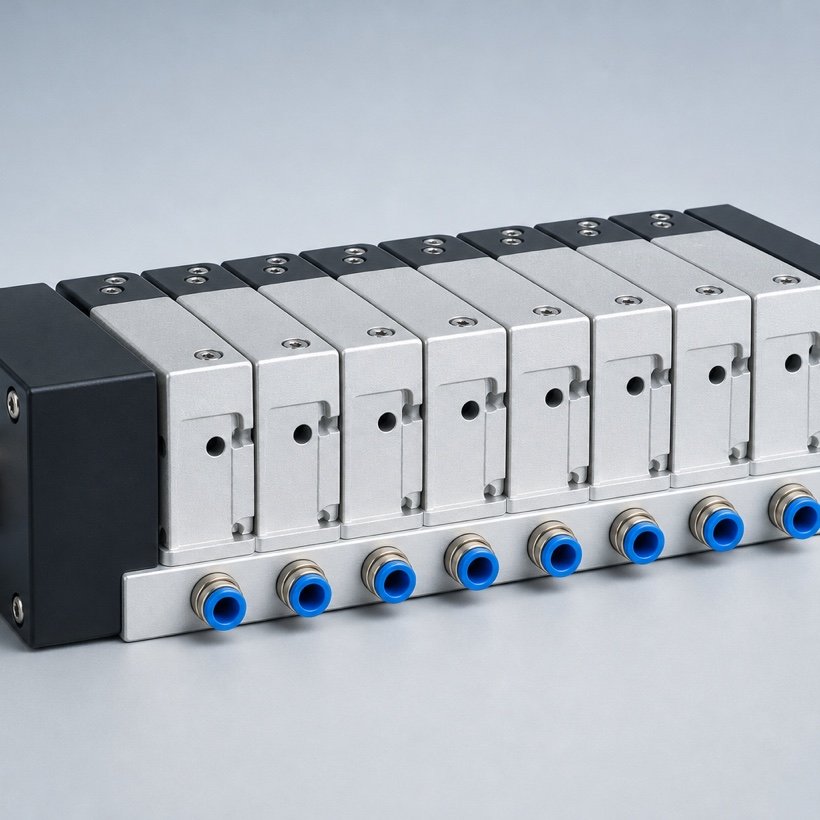
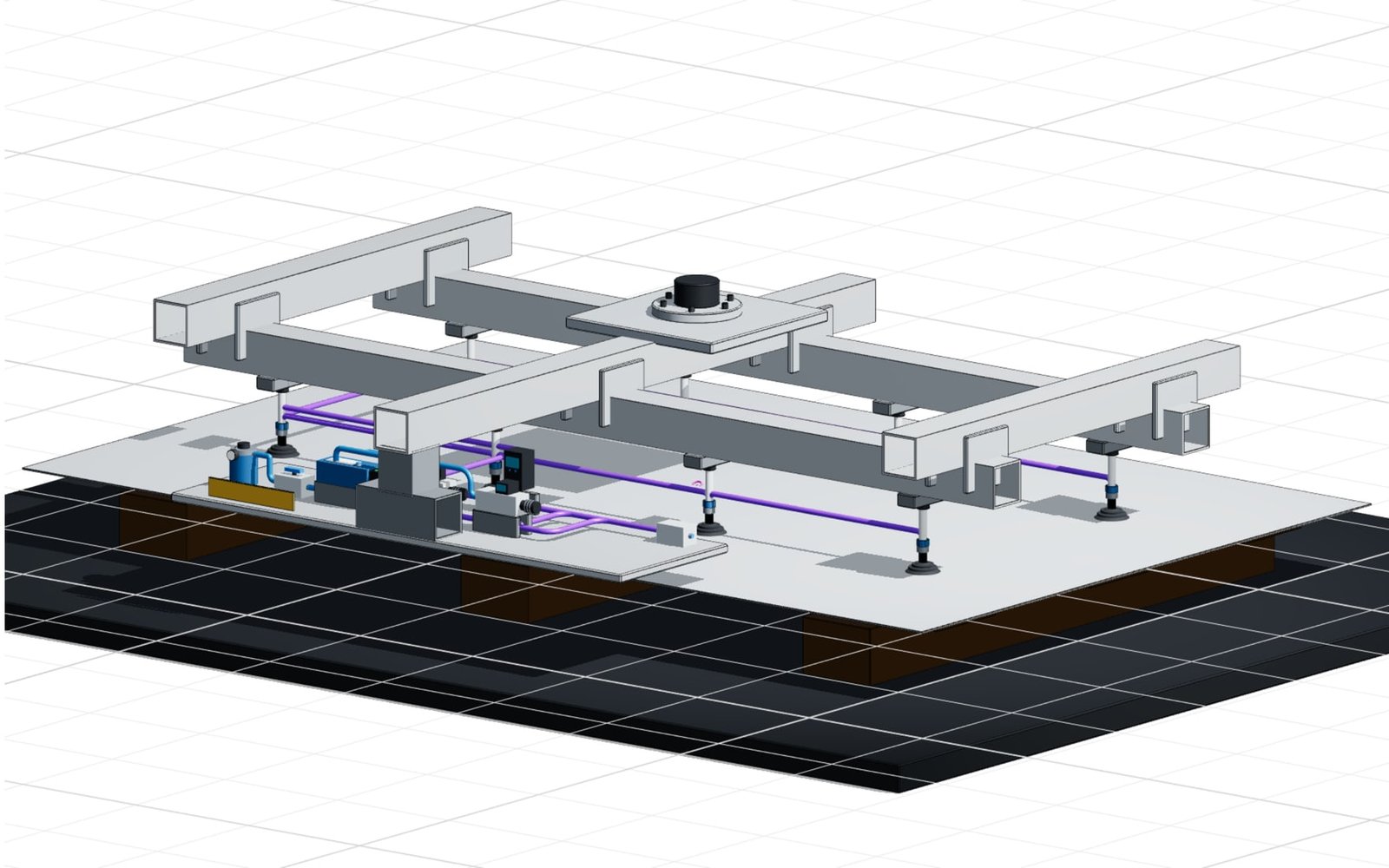
Three confBuild reference configurators show the range: ISO 15552 cylinders, a valve manifold with 2 to 12 stations, and a complete handling station with pricing and parts list.
This could be your product ↗


Product system instead of catalogue table
Base plate, valve slices, electrical interface, tubing and mounting all respond together as soon as station count, size or port layout changes.
Map my product system ↗Size, stroke and design determine geometry, mounting pattern and installation space.
Valve function, working ports and the electrical variant stay consistent as one dependent system.
Cylinder switches, flow control valves and mounting styles are offered only where they fit.
The configuration delivers options, components and a structured enquiry.
Size, stroke and design determine geometry, mounting pattern and installation space.
Valve function, working ports and the electrical variant stay consistent as one dependent system.
Cylinder switches, flow control valves and mounting styles are offered only where they fit.
The configuration delivers options, components and a structured enquiry.
From product options to an order
The process graphic shows how a technical requirement becomes an unambiguous, verifiable configuration.
Powered by the confBuild CAD kernel
The confBuild CAD kernel rebuilds the module from product parameters and option rules. Change the station count and base plate, tubing, electrical interface and mounting grow with it as one coherent system—not as a swapped catalogue image.
Experience the CAD kernel →The same parameters reliably produce the same geometry—reproducible instead of merely similar.
Parts and accessories remain connected through clear dependencies and product rules.
Structured parameters and component data can feed enquiries, BOMs and subsequent workflows.
Interactive in the web browser—without local CAD installation and directly in your sales experience.
More than a beautiful 3D view
The configurator turns an order code into a product you can see—and turns catalogue knowledge into a selling advantage over PDF tables.
Check the potential for my range →Options become visible on the 3D model instead of compared across table columns.
Rules and dependencies prevent impossible combinations at selection time.
Enquiries arrive complete—with options, positions and a view.
A configurator demonstrates technical competence where customers search today.
Focused remote pilot
We capture options, dependencies and order-code logic for one high-demand range.
We build the 3D model, option logic and enquiry flow as a focused prototype.
The pilot runs in your brand and is refined with inside sales and application engineering.
Ready for a digital catalogue?
In 20 minutes we identify the best pilot range and map out a sensible first step.